Cute Panda Bag Tie Embroidery Design Review
As a professional embroidery designer who has spent years translating digital files into tangible brand assets, I approach every new machine embroidery design with a critical eye. The market is flooded with decorative patterns, but for small business owners and merch creators, the line between a cute doodle and a viable commercial asset is thin. Today, I am reviewing the Cute Panda Bag Tie Embroidery Design. At first glance, the description promises to "add a touch of panda-monium to your kitchen" with an "ingenious blend of fun and function." But does this playful concept hold up under the scrutiny of professional production? Let's dive into how this embroidery file performs when moved from a screen to real-world merchandise.
First Impressions: Balancing Playfulness with Professionalism
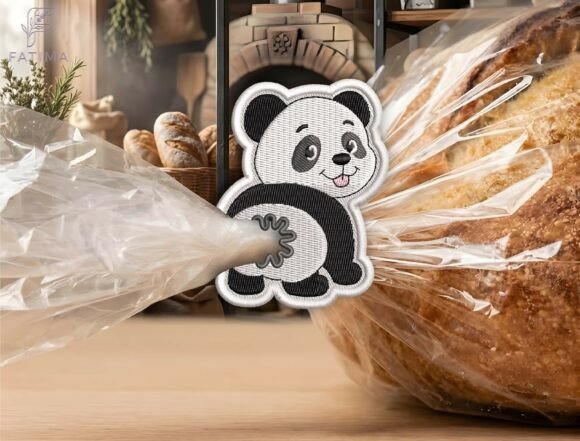
The initial visual assessment of the Cute Panda Bag Tie Embroidery Design reveals a character that is undeniably friendly and approachable. For brands operating in the handmade sector, boutique cafes, or local bakeries, this aesthetic is gold. It screams warmth and community. However, the challenge lies in ensuring it doesn't look childish when applied to staff uniforms or high-end product packaging. The design features a lovable panda, which suggests a focus on rounded shapes and soft contours. In the world of commercial embroidery, rounded shapes are generally forgiving and stitch well, provided the stitch density is managed correctly.
When evaluating this as a potential brand identity element, the key is versatility. A design that works on a kitchen bag tie must also translate well to a cap front or a tote bag handle. The "fun and function" promise in the description hints at utility, but as a designer, I need to verify if the structural integrity of the design supports various applications without losing its charm.
Real-World Applications for Small Business Merch
For entrepreneurs looking to elevate their small business merch, the Cute Panda Bag Tie Embroidery Design offers several compelling use cases. Here is how I envision integrating this digital embroidery file into a cohesive product line:
- Apron Embroidery: This is perhaps the most natural fit. Placing the panda on the chest pocket of a chef's apron adds a unique signature to a bakery or cafe. It transforms a standard work uniform into a branded piece that customers remember.
- Custom Apparel Patches: Creating an embroidered patch version of this design allows for mass application. You can sew these onto denim jackets, canvas bags, or even backpacks sold in a retail shop. Patches offer durability and a distinct texture that elevates the perceived value of the item.
- Tote Bag Design: Since the title references a "Bag Tie," applying this directly to the gusset or strap of a cotton tote bag creates a seamless, premium look. It serves as a walking billboard for your brand whenever a customer carries their groceries or craft supplies.
- Cap Embroidery: While caps have limited space, a simplified version of the panda could serve as a left-brim detail or a back-panel accent. This is excellent for event merch or giveaways where you want to maintain visual consistency across different product types.
- Product Packaging Accents: Instead of printing labels, consider embroidering the design onto fabric tags attached to handmade soaps, candles, or baked goods. This tactile element reinforces the "handmade" narrative and justifies a higher price point.
Critical Considerations for Production Success
While the concept is strong, executing the Cute Panda Bag Tie Embroidery Design requires attention to technical details. As a designer, I cannot stress enough the importance of testing before full-scale production. Here are the areas where caution is required:
Stitch Density and Fabric Texture
Panda designs often rely on black and white contrast. If the stitch density is too high in the black areas, the design may pucker thin fabrics like linen or light cotton. Conversely, if the density is too low, the white background might show through, ruining the crispness of the panda's features. Always test on the actual fabric texture you intend to use. Thick fleece or heavy twill will hide minor density issues, while silk or rayon blends demand perfection.
Hoop Size and Stabilizer Selection
Before committing to a run, confirm the hoop size required by the file. If the design is large, it may not fit on a standard 4x4 hoop, limiting your machine options. Furthermore, the choice of stabilizer is non-negotiable. For items that will undergo frequent washing, such as aprons or caps, a tear-away stabilizer might leave residue or cause shrinkage over time. A cut-away stabilizer is often safer for long-term durability, ensuring the finished product maintains its shape after dozens of wash cycles.
Scaling and Detail Retention
One of the biggest risks with character-based designs is scaling them down. If you attempt to use the Cute Panda Bag Tie Embroidery Design on a tiny label or a small cap logo, the intricate details of the panda's face may get lost. The eyes and ears need sufficient thread coverage to remain recognizable. If the design becomes muddy at smaller sizes, you may need to create a simplified variation specifically for those applications.
Impact on Brand Identity and Customer Trust
In the crowded marketplace of Etsy sellers and local boutiques, visual consistency is what builds trust. Using a custom embroidery design like this one signals that you care about quality. Unlike screen printing, which can crack and fade, embroidery adds a layer of luxury and permanence. When a customer sees the same Cute Panda Bag Tie Embroidery Design on your website mockups, your staff uniforms, and their purchased tote bag, it creates a cohesive brand story.
This consistency enhances buyer engagement. Customers are more likely to share photos of products that look unique and high-quality on social media. An embroidered patch featuring a cute panda is far more "instagrammable" than a standard printed sticker. It turns your merchandise into a collectible item, fostering a deeper emotional connection with your brand.
Practical Designer Notes for Implementation
To ensure the best results when using this digital embroidery file, follow these steps:
- Test in Black and White First: Before selecting vibrant thread colors, run a test with basic black and white threads. This helps you identify any spacing issues or tension problems without wasting expensive specialty threads.
- Review Thread Color Contrast: Ensure the panda stands out against the fabric color. On dark uniforms, you may need a white underlay to make the black details pop. On light fabrics, check that the black isn't too stark if you aim for a softer look.
- Create a Printable Mockup: Before sending the design to the client or producing the first batch, generate a printable mockup showing the design on the intended product. This manages expectations and prevents costly re-stitches.
- Compare Design Assets: Place the panda design next to your existing logos and typography. Does it clash with your current design assets? It should complement, not compete with, your primary branding elements.
- Confirm Commercial Licensing: This is crucial. Ensure the license for the Cute Panda Bag Tie Embroidery Design explicitly covers commercial embroidery for sale. Never assume personal use licenses extend to selling merchandise.
In conclusion, the Cute Panda Bag Tie Embroidery Design is a powerful tool for businesses aiming to inject personality into their product lines. With careful attention to technical execution and strategic placement, it can transform simple items into memorable brand experiences. Whether for a cozy cafe or a trendy handmade shop, this design offers the perfect balance of whimsy and professionalism, provided you respect the mechanics of the craft.