Mini Matcha Machine Embroidery Designs Review
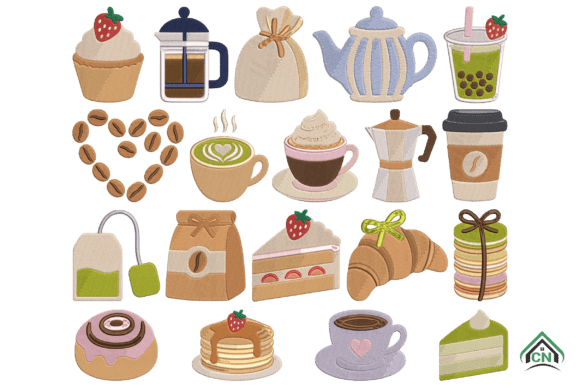
As a designer who has spent years navigating the intersection of digital art and physical stitching, I approach every new machine embroidery design bundle with a critical eye. The market is flooded with trendy motifs, but few translate well from a screen to a hoop. When I first opened the Mini Matcha Machine Embroidery Designs bundle, my initial thought was about the current cultural moment. Matcha has moved beyond a beverage trend into a lifestyle aesthetic, representing calm, wellness, and a touch of artisanal luxury. This collection of 19 unique designs taps directly into that vibe, offering a cozy, earthy palette that feels perfect for the modern maker.
The First Stitch: Visual Mood and Design Intent
What stands out immediately in this set is the balance between simplicity and character. These are not overly complex illustrations requiring hundreds of thousands of stitches; they are clean, graphic, and charmingly "mini." The shapes are rounded and soft, which is crucial when working with smaller hoop sizes. In the world of Embroidery, less is often more, especially when the goal is to create a subtle accent rather than a dominant focal point. The color schemes inherent in the matcha theme—various shades of green paired with cream or bamboo accents—suggest a natural flow that works beautifully on neutral backgrounds.
I found myself mentally placing these designs on various items before even loading them into my machine. The layout suggests they are built for versatility. Whether you are looking to create a tote bag design for a local coffee shop or a delicate baby embroidery piece for a nursery, the scale feels appropriate. The visual personality is friendly and approachable, avoiding the stiff, corporate look that plagues many generic food-themed assets. Instead, these feel like handmade treasures waiting to be stitched.
Real-World Application: From Screen to Fabric
To truly evaluate the utility of Mini Matcha Machine Embroidery Designs, I simulated a real project scenario: creating a limited run of custom embroidered aprons for a boutique tea house client. The client wanted something that felt organic and welcoming. I selected three distinct designs from the bundle to test on a heavy cotton canvas. The results were promising. The fill stitch areas held up well without excessive puckering, provided I used a cut-away stabilizer suitable for the fabric weight. The satin stitch outlines on the leaves and cups added a necessary sheen that made the design pop against the matte fabric.
This kind of commercial embroidery requires consistency, and having 19 variations allows for a cohesive collection without monotony. Imagine an Etsy seller using these to create a matching set of kitchen towels, a pillow cover, and a small embroidered patch for packaging. The consistency in style ensures brand recognition while the variety keeps the product line fresh. For a small shop product line, this bundle offers enough depth to launch a seasonal collection focused on spring or wellness themes.
I also considered how these would perform on custom apparel. A simple sweatshirt embroidery on the chest pocket area could feature one of the larger matcha cup designs. Because the designs are "mini," they don't overwhelm the garment. They act as a tasteful logo or badge. For holiday embroidery projects, such as personalized gifts for tea lovers, the compact nature of these files makes them ideal for caps, hats, or even the corners of blankets. The detail level is high enough to look professional but low enough to stitch quickly, which is a significant advantage for craft businesses managing tight deadlines.
Navigating Challenges: Where Caution is Needed
While the designs are robust, experienced designers know that context is everything. There are specific scenarios where Mini Matcha Machine Embroidery Designs require careful handling. If you plan to use these on very thin or stretchy fabrics, such as jersey knit t-shirts, you must be vigilant about hoop size and stabilizer choice. Without adequate support, the tension required for the running stitch details can distort the fabric, ruining the finished product.
Another consideration is dark fabric. While the green tones of matcha are versatile, they may lose definition on black or navy backgrounds if the thread colors aren't adjusted. I always recommend testing the design in a printable mockup or digitally previewing it in black and white to ensure contrast remains visible. Additionally, curved surfaces like baseball caps can sometimes flatten intricate details. While these designs are generally forgiving, checking the stitch density before committing to a full run is essential to prevent thread bunching on curves.
For those considering selling finished goods, the durability of the design under frequent washing is paramount. Kitchen items like tea towels or aprons go through the wash often. Ensuring that the thread colors are high quality and that the backing is properly trimmed will extend the life of the item. A poorly executed stitch job on a handmade product can lead to customer dissatisfaction, so do not skip the testing phase.
Designer Notes for Professional Execution
If you decide to integrate Mini Matcha Machine Embroidery Designs into your workflow, here are my practical recommendations for success:
- Test on Scrap Fabric First: Never skip this step. Run a test on the exact fabric you intend to use to check for puckering and thread tension.
- Check Thread Color Contrast: Ensure the greens and creams stand out against your base material. Adjust your thread palette if necessary.
- Review Stitch Density: Inspect the file settings. If the fill is too dense, reduce the density percentage to allow the fabric to breathe.
- Confirm Hoop Size: Verify that your hoop can accommodate the design without distorting the image at the edges.
- Use Proper Stabilizer: Match the stabilizer type (tear-away, cut-away, or water-soluble) to the fabric texture and design complexity.
- Verify Licensing: Before selling any finished product or digital embroidery file, confirm the licensing terms. Ensure you have the right to sell items created with these designs commercially.
- Compare Light and Dark Backgrounds: Test how the design reads on both light and dark fabrics to maximize your product range.
Final Thoughts on Value and Versatility
In conclusion, Mini Matcha Machine Embroidery Designs offer a refreshing addition to any designer's library. They capture a specific, desirable mood that resonates with today's consumers who value mindfulness and aesthetics. For the Etsy seller or creative entrepreneur, this bundle provides a ready-made solution for creating high-quality, on-trend items without the need for extensive digitizing work.
The true value lies in the execution. When paired with good fabric, proper stabilizers, and thoughtful placement, these designs elevate a simple item into a cherished personalized gift or a standout piece of apparel decoration. They bridge the gap between digital convenience and the tactile warmth of handcrafted goods. Whether you are building a craft business around wellness themes or simply looking to add a touch of green to your next project, this collection delivers on its promise of being trendy, cozy, and practically useful. Just remember to test, stabilize, and enjoy the process of bringing these little matcha moments to life.